
Unfiltered Wine in Singapore: How Filtration Shapes Flavour

Natural wine isn’t simply wine with the filter left out. It’s generally made from organically grown grapes, native yeasts and minimal intervention in the vineyard and cellar. Unfiltered wine describes a separate winemaking choice, so the terms overlap but aren’t interchangeable.
If a cloudy pour or a trace of sediment makes you pause, that’s understandable. These signs can reflect how a wine was made rather than a flaw, but they don’t tell the whole story of its flavour or condition.
Explore what natural wine means and how filtration can shape texture, aroma and appearance. This guide explains what sediment, yeast and lees reveal, why unfiltered wines may look different in the glass, and what to consider when exploring unfiltered wine in Singapore. You’ll get a clearer sense of what may be in the bottle and what to expect when you pour it.
Table of Contents
What is Natural Wine, and Where to Get It in Singapore?
Natural wine typically uses organically grown grapes, native yeasts, and minimal vineyard and cellar intervention. Unfiltered describes a separate cellar choice: leaving wine without filtration. Some natural wines are filtered, while unfiltered wines need not follow every natural-wine practice. That distinction helps when reading labels or choosing a bottle in Singapore.
Orange wine gains colour and structure when white-grape skins remain in contact with the juice. A field blend combines different grape varieties grown or harvested together, creating a character shaped by their shared site. Both styles can be made with minimal intervention, but neither label alone tells you whether the wine was filtered. Skin-contact Chardonnay offers another expression, with texture shaped by contact between juice and skins.
Krontiras Doña Silvina Skin Contact Chardonnay Natural is one example of skin-contact Chardonnay. Krontiras Malbec Natural Organic Biodynamic offers a contrasting red-wine style. Their names signal different grape varieties and production approaches, but don’t establish whether either wine was filtered. If that detail matters, look for explicit terms such as “unfiltered” or “non-filtrato”.
In Singapore, natural wines appear at select wine bars, restaurants, and shops. Listings include 8 natural wine bars, 5 natural wine restaurants, and 5 wine shops. These venues offer ways to explore different styles, including orange wines and field blends, before choosing a bottle. Availability and selection vary between individual venues.
Singapore’s rules and taxes differ between buying wine locally and importing it yourself. For imports, applicable requirements depend on the shipment and relevant rules. There’s no single cost for unfiltered wine in Singapore: bottle prices vary by producer, grape variety and retail positioning.
Storage affects how natural wine develops after purchase. Natural wines are made without preservatives and may develop faster than well-preserved commercial wines. Keep a bottle away from heat and light, and avoid unnecessary temperature changes. These conditions help limit factors that can accelerate changes in aroma and flavour, preserving more of the wine’s intended character.
Effects of filtration on flavour
Filtration changes what remains suspended in wine, not just how clear it looks. Removing yeast particles and additional bacteria can reduce spoilage risk and help a finished wine remain stable after bottling. Yet filtration is only one part of winemaking. Grape variety, fermentation, ageing and storage also shape the flavours in your glass. A filtered wine can still clearly express the choices made in the vineyard and cellar.
Malolactic fermentation shows how cellar decisions can shift a wine’s profile. This process can soften acidity, while bacterial activity may be suppressed during fermentation in some unfiltered wines. That approach can replace primary fruit flavours with nuttier, creamier aromas. The result isn’t automatically richer or better, just a different balance. A crisp, fruit-led white and a creamy, oak-aged white, for example, may suit different occasions.
Clarity alone won’t reliably tell you how a wine will taste. Filtered and unfiltered wines can look similarly clear, while an unfiltered wine may show slightly deeper colour and a heavier mouthfeel. Some studies conclude that filtration has a negligible effect on flavour. That helps explain why “unfiltered” doesn’t promise a dramatically different glass. The grape, winemaking choices and condition of the bottle matter too.
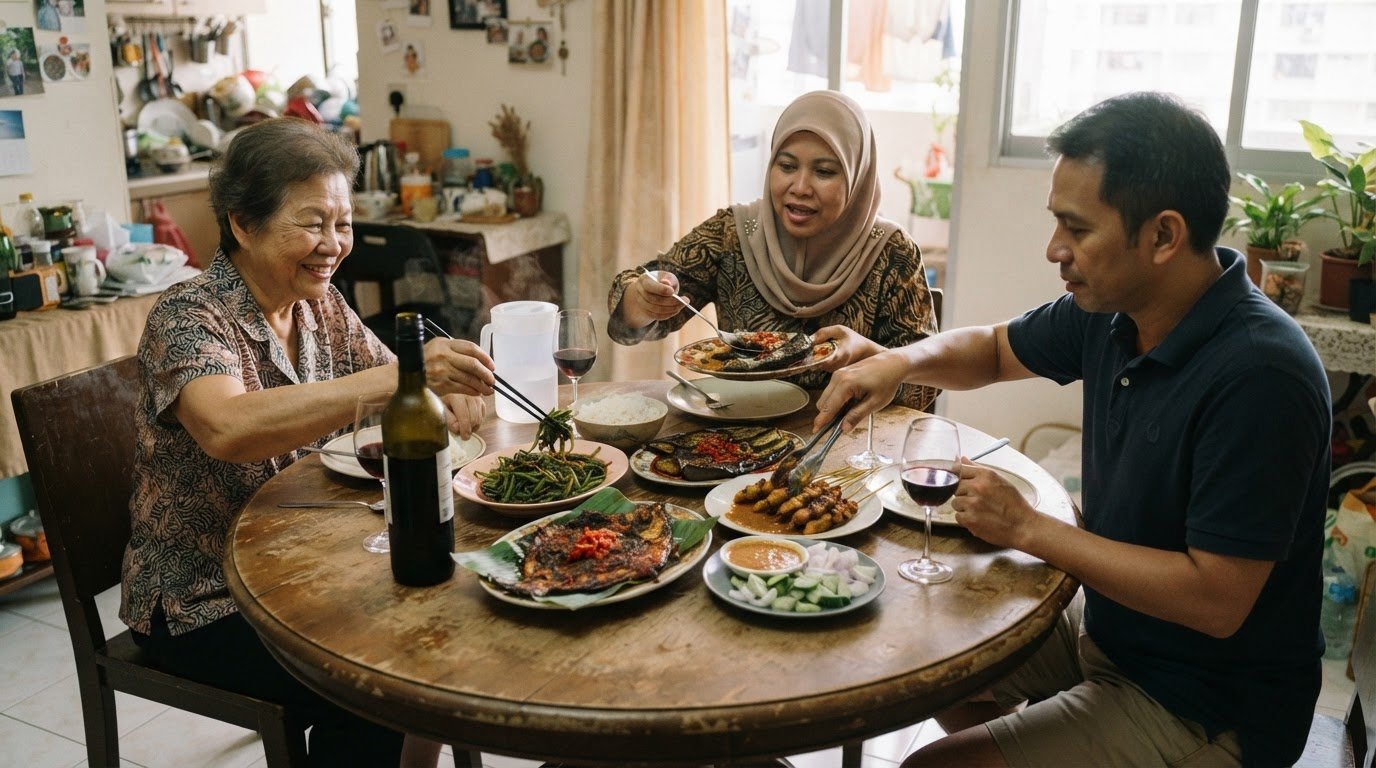
At restaurants, compare wines by style and serving context rather than treating filtration as a quality scale. A lively, fruit-forward wine may suit a different dish than one with a rounder texture and nutty aromas. Ask about the grape and production approach, then consider how those traits meet the food. To explore how selected bottles can complement a meal, browse wine choices for Singapore tables. Let the flavour profile guide your decision, not clarity alone.
Sediment, yeast and lees
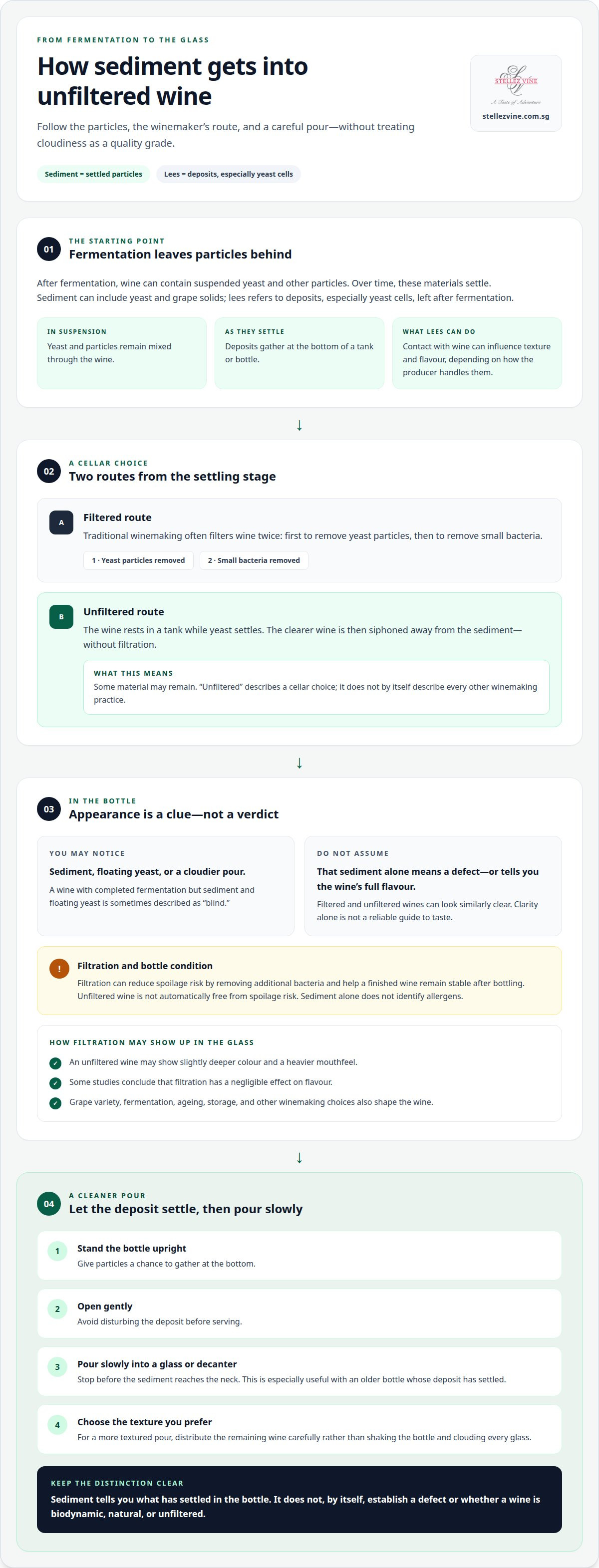
After fermentation, wine can contain suspended yeast and particles that eventually settle. Traditional winemaking often filters wine twice: first to remove yeast particles, then to remove small bacteria. Unfiltered wine takes another route. It rests in a tank while the yeast settles, then the clearer wine is siphoned away from the sediment. This separation can leave some material behind without filtration.
“Lees” refers to deposits, especially yeast cells, left after fermentation. Contact with wine can influence its texture and flavour, depending on how the producer handles the lees. Sediment is a broader term for particles that settle in the bottle, including yeast and grape solids. Wine that has completed fermentation but still contains sediment and floating yeast is sometimes described as “blind.” That appearance reflects what remains suspended, not a style or quality grade.
Are unfiltered wines safe to drink, and what are their risks or allergens? Sediment and yeast can be natural parts of winemaking, but unfiltered wine isn’t automatically free from spoilage risk. Filtration can reduce that risk by removing additional bacteria, while sediment alone doesn’t identify allergens.
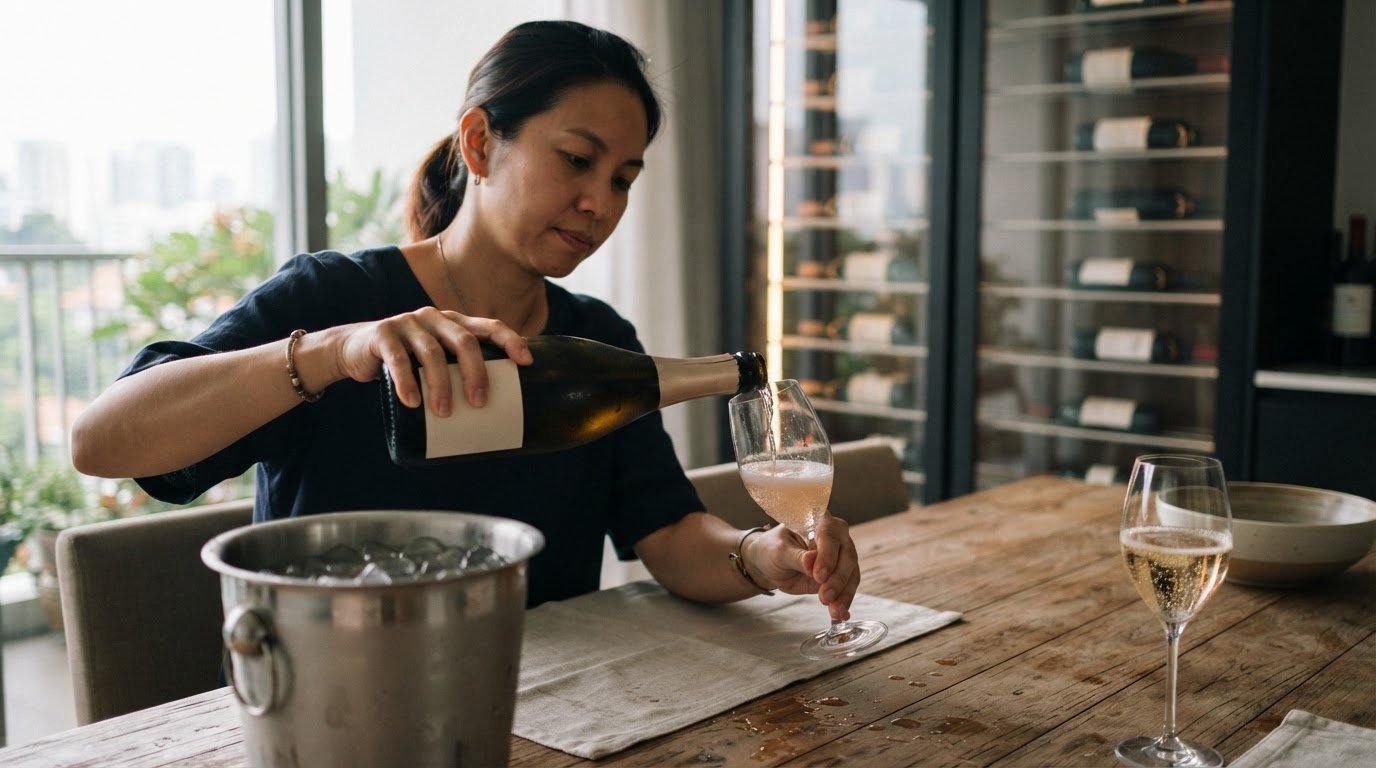
For a cleaner pour, stand the bottle upright so particles gather at the bottom. Open it gently, then pour slowly into a glass or decanter, stopping before the sediment reaches the neck. This works especially well with an older bottle whose deposit has settled. If you prefer a more textured pour, distribute the remaining wine carefully instead of shaking the bottle and clouding every glass.
A biodynamic label describes a vineyard approach, not a promise that wine is unfiltered or sediment-free. Treat the label and the deposit as separate clues. Compare the first clear pour with a later, more textured one; the contrast can reveal how lees and suspended particles affect the wine’s feel. In either glass, sediment alone doesn’t establish a defect.
Unfiltered wine identity
On some bottles, “unfiltered” signals that the wine was left unfiltered. Treat it as a production clue, not a tasting score. The word doesn’t tell you which grape was used, how long the wine aged or whether it will taste cloudy. Read it alongside the producer’s notes and other label details for a fuller picture.
Labels can describe different choices, so separate filtration from broader winemaking language. “Natural” describes an approach with minimal intervention, while “unfiltered” refers specifically to filtration. A wine can be natural and filtered, or unfiltered without carrying a natural-wine label. The terms overlap, but they don’t describe identical practices. Look for explicit wording when filtration matters to your choice.
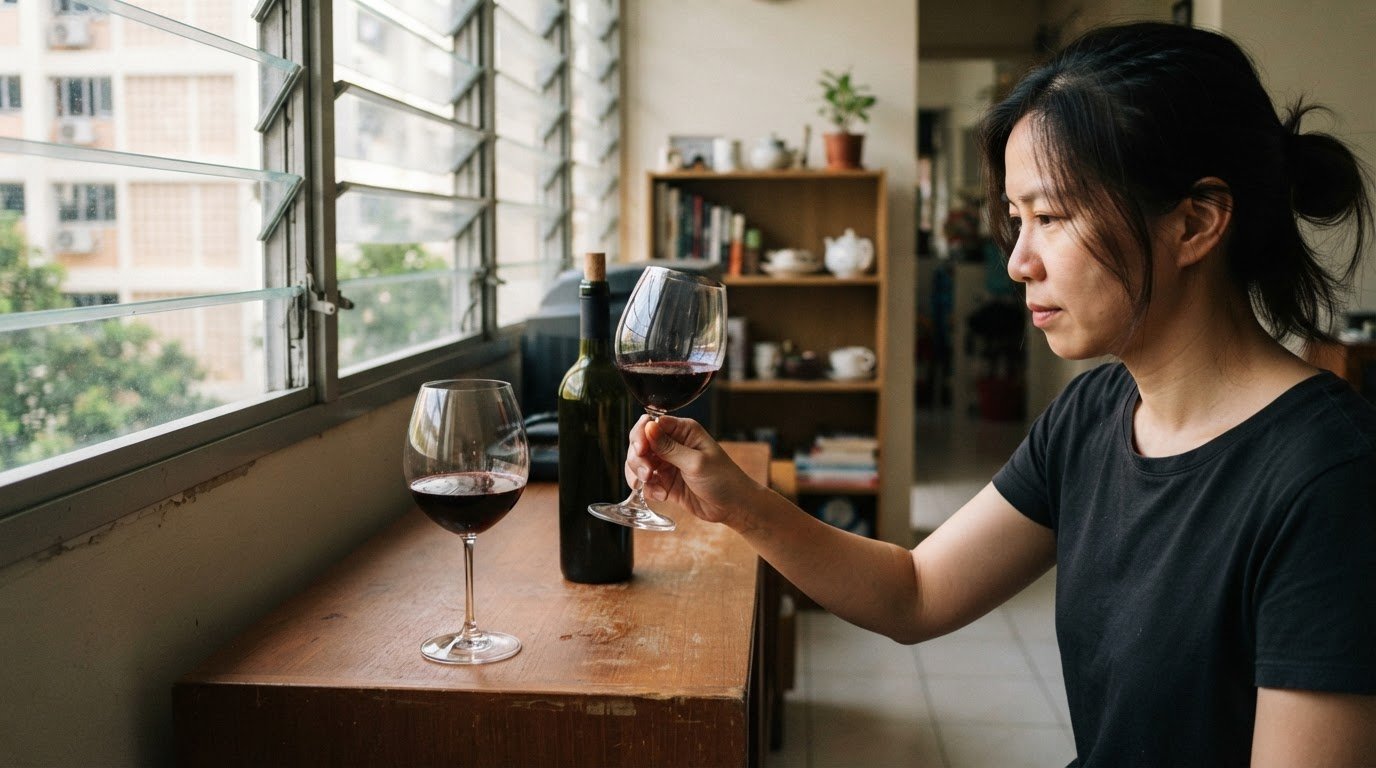
Appearance offers a clue, not a definitive identity test. One unfiltered bottle may look clear after settling; another may show haze or visible sediment. Slightly deeper colour or fuller texture can occur, but neither proves the wine was unfiltered. Compare the label with the wine in the glass. Together, they offer more useful context than appearance alone.
Production choices can also include sulphites. An unfiltered wine may be stabilised with a higher dosage of sulphites, so “unfiltered” doesn’t mean “without sulphites.” Nor does the term promise a particular aroma, flavour or shelf life. Consider the producer’s description, grape variety and storage history together. These details help distinguish a deliberate cellar choice from assumptions based on a single word.
For a curated selection, use the label as a starting point, then match the wine’s stated style to the occasion. Note whether the producer highlights skin contact, native yeast or a particular grape, and consider how those choices may shape aromas. Explore curated wine selections to find bottles suited to your table, then use the label and tasting notes to guide your choice.
Stellez Vine Singapore: South African Wines
Stellez Vine Singapore offers South African wines for readers ready to explore bottles from a distinctive wine region. Use what you’ve learned about filtration as a guide: check each bottle’s description for production details, then consider the grape, expected texture and aromas. “Unfiltered” alone doesn’t define a wine’s style or guarantee a particular flavour.
If you’re choosing bottles to enjoy over time, storage matters too. Stellez Vine Singapore also offers Kadeka Wine Chillers, Eurocave Wine Fridges and LIEBHERR Wine Cabinets. Pair the pleasure of discovering wine with practical storage options for your collection.
Explore South African wines and wine-storage options at stellezvine.com.sg, or contact Stellez Vine Singapore.
Make Your Next Pour More Personal
Let curiosity, not cloudiness alone, shape your next bottle choice. If you’re exploring unfiltered wine in Singapore, choose a style that suits the occasion, then pay attention to the producer’s notes and the wine’s aromas in the glass. Each bottle offers a chance to discover how grape, place and cellar decisions come together.
For a considered selection, Stellez Vine Singapore offers South African wines alongside Kadeka Wine Chillers and Eurocave Wine Fridges for storing a collection. Explore the range at your own pace, whether you’re choosing a bottle to share or looking for ways to care for wines at home.
Explore Stellez Vine Singapore and choose a wine experience that invites you to keep discovering.
Frequently Asked Questions
What Are Natural Wines?
Natural wines are generally made from organically grown grapes, native yeasts and minimal intervention in the vineyard and cellar. The approach can produce varied expressions, from fresh, fruit-led reds to textured skin-contact whites. The producer’s choices still matter: grape variety, fermentation and ageing all shape the result. Treat “natural” as a broad winemaking description, not a guarantee of one flavour profile.
What’s the difference between filtered and unfiltered wine?
Filtered wine passes through a process that removes suspended particles, while unfiltered wine skips that step. Filtering can help reduce spoilage risk, but it doesn’t determine whether a wine tastes simple or complex. Two wines made from the same grape, for example, can differ because of fermentation or ageing. Compare aroma, texture and finish rather than assuming one method always tastes better.
What does “unfiltered wine” mean, and how does it differ from filtered wine?
“Unfiltered” means the wine wasn’t passed through filtration before bottling. The term describes a cellar decision, not whether the wine is natural, cloudy or sediment-free. Some unfiltered bottles appear clear after settling; others retain visible particles. A label marked “unfiltered” signals that broad choice. For more context about production, read the producer’s notes.
Where can I buy unfiltered wine in Singapore?
In Singapore, explore select wine shops and restaurants that feature natural wines, and look for filtration details in the producer’s description. Stellez Vine Singapore’s online range includes GranMonte Bussaba Natural Sweet Wine 2023, a natural-wine example. “Natural” in a product name doesn’t by itself establish that a wine is unfiltered, so use the label or tasting notes to distinguish those terms.
Which Singapore wine shops and online retailers stock natural or unfiltered wines?
Select Singapore wine shops and restaurants offer natural wines, while online catalogues can help you explore named bottles. Stellez Vine Singapore’s range includes GranMonte Bussaba Natural Sweet Wine 2023. That example is identified as natural sweet wine, but the product name doesn’t specify filtration. Look for explicit wording that a bottle is unfiltered when that production choice is important to you.
What unfiltered wine styles and producers are available in Singapore?
Styles to explore include orange wines, field blends, skin-contact Chardonnay and Malbec. Named examples include Krontiras Doña Silvina Skin Contact Chardonnay Natural and Krontiras Malbec Natural Organic Biodynamic. GranMonte Bussaba Natural Sweet Wine 2023 is another natural-wine example in Singapore’s retail market. These names and styles offer starting points, but a natural-wine description alone doesn’t tell you whether a bottle was filtered.
Comments