
South African vs Argentinian Wine: A Collector’s Guide to Southern Stars

Updated: Jul 25
While many collectors reflexively turn to Bordeaux for structure or Napa for power, the most compelling investment for your cellar right now likely sits south of the equator. Choosing between South African vs Argentinian wine often feels like a gamble between earthy, Old World soul and modern, fruit-forward purity. It's natural to feel overwhelmed by a sea of commercial labels or worry that a bottle might be too "funky" or overly heavy. You deserve a selection that reflects true craftsmanship and heritage, not just mass-market consistency.
Discover the nuanced differences in terroir, taste, and tradition between these two Southern Hemisphere giants to elevate your next curated selection. We'll demystify the flavor profiles of high-altitude Andean peaks and maritime-cooled coastal valleys so you can select a bottle that matches your palate with absolute confidence. To further simplify your choice when dining out, Vinoperte offers personalized AI recommendations to help you find the perfect match. This guide explores the benchmark elegance of boutique producers like Matias Riccitelli and Savage while providing essential knowledge on preserving these fine vintages in a tropical climate. Prepare to expand your horizons and refine your collection with the best of the south.
Table of Contents
Southern Hemisphere Superstars: A Comparison of Heritage and Horizon
The 2026 global wine market defines a pivotal moment for southern producers. As a 15% tariff on European imports continues to reshape retail pricing and availability, discerning collectors are looking beyond traditional borders for unmatched value and craftsmanship. South Africa and Argentina stand as the undisputed benchmarks of this shift. While both are categorized within New World wine regions, they offer vastly different narratives of heritage and terroir. South Africa boasts a 350-year viticultural legacy dating back to the first plantings in 1659. Argentina’s roots stretch even further to the 16th-century Spanish missions. Today, the debate over South African vs Argentinian wine is no longer about quantity; it's a sophisticated choice between maritime elegance and mountain power.
The South African Renaissance
South Africa has moved decisively away from high-volume cooperatives toward artisanal, site-specific excellence. In regions like Swartland and Stellenbosch, a "new wave" of winemakers is rediscovering old-vine treasures to produce wines with an "Old World" soul. The 2026 harvest, estimated at 1.370 million tonnes, signals a robust recovery that emphasizes quality over mass production. A critical factor in this quality is the "Cape Doctor," a ferocious south-easterly wind that scours the vineyards. It keeps the grapes dry and disease-free, allowing boutique producers like Savage to create wines with startling clarity, savory structure, and natural acidity.
The Argentinian Evolution
Argentina has undergone a parallel transformation by climbing higher into the Andes Mountains. The "Malbec Miracle" was only the beginning of a broader movement toward precision viticulture. In the Uco Valley, winemaking now reaches extreme altitudes where intense sun exposure meets freezing mountain nights. This creates a profile known as "Modern Purity." Leading producers like Matias Riccitelli are at the forefront of this evolution, diversifying into high-altitude Chardonnay and Cabernet Franc. Even as global wine consumption sees a declining trend, Argentina maintains its prestige by delivering plush, floral wines that possess a structural backbone unique to the thin mountain air.
Comparing South African vs Argentinian wine reveals a fascinating study in environmental extremes. One region is defined by the crashing waves of the Atlantic and Indian Oceans; the other is shaped by the rain shadow of the world's longest continental mountain range. Both have successfully transitioned from commercial giants to curators of world-class, premium labels that deserve a permanent place in any serious collection. Discover how these distinct topographies influence the liquid in your glass as we dive deeper into the specific terroirs of the south.
Terroir and Topography: Coastal Breezes vs. Andean Altitudes
Topography serves as the silent architect of every vintage. When evaluating South African vs Argentinian wine, the primary distinction lies in how each region manages heat. South Africa relies on the surrounding oceans, while Argentina looks to the sky. The ancient, complex soils of the Western Cape, some dating back over 600 million years, consist largely of decomposed granite and sandstone. These offer a mineral depth that contrasts sharply with the youthful, nutrient-rich alluvial deposits found in Argentina's river-fed valleys. This fundamental difference in "earth age" means South African vines often struggle more, leading to lower yields and more concentrated, savory flavors.
South Africa’s Maritime Mastery
The cold Benguela current, sweeping up from Antarctica, is the lifeblood of South African viticulture. It transforms the coastal regions into a Mediterranean sanctuary, where maritime breezes moderate the summer sun. This cooling effect ensures a slow, steady ripening process. Collectors often note that these conditions produce wines with a distinct Old World restraint, characterized by savory, earthy, and herbal notes often described as fynbos. In Stellenbosch, terroir is the precise intersection of ancient, well-drained decomposed granite soils and the persistent cooling influence of the Atlantic Ocean. To experience this coastal elegance, you might browse our curated South African reds that showcase this unique mineral profile.
Argentina’s High-Altitude Purity
Inland and thousands of miles away, the Andes Mountains dictate the rhythm of the vineyard. Argentina's secret is altitude, where every 150 meter increase in elevation drops the temperature by roughly one degree Celsius. This allows vineyards in the Uco Valley to mimic the cooler latitudes of Northern Europe despite being closer to the equator. High altitude viticulture provides two critical advantages for Argentina's signature grapes:
Intense UV Radiation: At 1,000 meters or higher, thinner air allows more ultraviolet light to reach the vines. This triggers the grapes to develop thicker skins, resulting in deep, concentrated colors and robust tannins.
Diurnal Temperature Swing: Scorching days are followed by freezing mountain nights. This drastic shift arrests the ripening process, preserving the natural acidity needed to keep powerful Malbecs fresh and vibrant.
Producers like Matias Riccitelli leverage these extremes to achieve Modern Purity. By planting at the very edge of where vines can survive, they capture a crystalline fruit expression that is impossible to replicate in lower, warmer elevations. This interplay of mountain sun and glacial water creates a palate that is plush yet structurally precise. Understanding this topographical divide is essential for any collector looking to balance their cellar between coastal complexity and mountain intensity.
Varietal Victories: Comparing the Iconic Grapes
A collector's inventory is ultimately a map of varietal mastery. When navigating the choice of South African vs Argentinian wine, you aren't just selecting a region; you're choosing between two distinct philosophies of flavor. South Africa champions the resilience of old-vine heritage, while Argentina focuses on the crystalline expression of high-altitude fruit. This New World Wine Comparison highlights how both nations have moved beyond being "value" players to becoming architects of premium, world-class varietals that rival the best of Europe.
South Africa’s Signature: Chenin Blanc and Pinotage
South Africa possesses more Chenin Blanc, locally known as Steen, than the rest of the world combined. It's a grape of incredible versatility, ranging from bone-dry, flinty expressions to rich, honeyed styles. For the collector, these wines offer an unmatched ability to age, developing complex layers of toasted nuts and dried fruit over decades.
The conversation around Pinotage has also shifted dramatically. Forget the outdated stereotypes of "funky" or "rubbery" profiles that once plagued the varietal. A new wave of winemakers is redefining Pinotage as a wine of modern elegance. By using cooler fermentation temperatures and larger, older oak barrels, producers like Savage Wines are crafting Pinotage that is red-fruited, floral, and remarkably refined. It now stands as a sophisticated alternative for those who enjoy the structure of a Northern Rhône Syrah but crave a unique, indigenous character.
Argentina’s Ace: Malbec and Cabernet Franc
Argentina's Malbec is often misunderstood as a simple, jammy red. In the high-altitude vineyards of the Uco Valley, it becomes something entirely different. Unlike the rustic, tannic Malbecs of Cahors in France, Argentinian Malbec is energetic and unmasked. Producers like Matias Riccitelli focus on "Modern Purity," where the grape's plush violet aromas and dark plum flavors are supported by a vibrant, mineral acidity.
While Malbec remains the king, Cabernet Franc has emerged as the new critics' darling of the Andes. It thrives in the intense UV light of the mountains, producing wines with incredible tension and aromatic complexity. It offers a "crunchy" red fruit profile and herbal notes that are distinct from the more savory, earthy Cabernet blends found in South Africa. When building your cellar, consider this framework for your selection:
Select South African Chenin Blanc for longevity and mineral complexity.
Choose Argentinian Malbec for plush texture and high-altitude fruit intensity.
Invest in New Wave Pinotage for a unique, refined take on a heritage grape.
Explore Argentinian Cabernet Franc for vibrant acidity and floral elegance.
This varietal diversity ensures that both regions offer something for every palate, whether you prefer the structural "Old World" soul of the Cape or the "Modern Purity" of the Argentinian heights.

Palate and Pairing: From Savoury Structure to Fruit-Forward Power
The choice of South African vs Argentinian wine often dictates the entire mood of a meal. While both regions technically belong to the New World, their palates sit on opposite ends of the sensory spectrum. South Africa provides a structural bridge to Europe, offering a savory restraint that mirrors the Old World. Argentina, conversely, harnesses the raw power of the mountain sun to deliver plush, fruit-forward intensity that remains remarkably fresh due to high-altitude acidity. Don't mistake this accessibility for simplicity. Modern boutique producers have moved far beyond the "fruit bomb" era; today, the complexity in these bottles comes from site-specific precision rather than heavy-handed winemaking.
The South African Profile: The European Bridge
Characterized by the herbal "fynbos" of the Cape and a distinct mineral core, South African reds often appeal to those who cellar Bordeaux or Syrah from the Rhône Valley. There's a persistent earthiness here that demands food. These wines typically exhibit a leaner structure with firm tannins, making them the perfect companion for formal dinners. Match a structured Cabernet blend or a refined Pinotage with game meats like venison or a spiced Cape Malay curry to see how the wine's acidity cuts through richness. For a simpler pairing, a sharp, aged Gouda highlights the mineral depth of the Western Cape's ancient soils.
The Argentinian Profile: The Power of the Sun
Argentinian Malbec from the Uco Valley is a masterclass in texture and aromatic purity. Expect velvety tannins and heady aromas of violets and black plum. Because of the extreme diurnal temperature swings, these wines don't feel heavy despite their concentration. They are the ultimate companion for a casual yet sophisticated Asado (grilled meats) or a rich, slow-cooked pasta ragu. For a surprising finish to a meal, pair a high-altitude Malbec with 70% dark chocolate to see how the floral notes and dark fruit harmonize with the cacao.
The role of oak has also evolved in both regions to favor the fruit. South African winemakers increasingly utilize larger, neutral oak barrels to protect the "soul" of their terroir. In Argentina, the trend toward "Modern Purity" involves using concrete eggs or large foudres to ensure the mountain fruit remains unmasked. Whether you're hosting a casual backyard grill or a curated multi-course dinner, these southern stars offer a versatile range of profiles to suit the occasion.
Ready to test these pairings at your next dinner party? Discover our handpicked selection of premium southern wines and elevate your home dining experience.
Curating the Connoisseur’s Collection with Stellez Vine Singapore
Building a serious cellar requires more than just acquiring bottles; it demands a discerning eye for producers who prioritize site-specific expression over commercial consistency. As the bridge between these adventurous southern regions and the local collector, Stellez Vine Singapore acts as a dedicated filter. We've done the research so you don't have to. Navigating the choice of South African vs Argentinian wine becomes a seamless experience when you focus on boutique labels that define the benchmark for quality in 2026. Whether you're drawn to the maritime mineral depth of the Cape or the crystalline purity of the Andes, your collection deserves wines with a clear sense of place.
Boutique Producers to Watch in 2026
To truly represent the south, your cellar should feature the leaders of the "New Wave" movement. We recommend starting with Savage Wines. Duncan Savage's approach results in ethereal, soulful blends that capture the maritime grit of the Western Cape. These are wines of immense tension and elegance, far removed from the heavy-handed styles of the past. They represent the very best of South African wine Singapore has to offer for those who value restraint and complexity.
From the high-altitude peaks of the Uco Valley, Matias Riccitelli wine Singapore selections offer a boundary-pushing, terroir-driven perspective. Riccitelli is a master of "Modern Purity," utilizing concrete eggs and minimal intervention to ensure the mountain fruit remains unmasked. His Malbecs and Cabernet Francs are energetic and structurally precise, offering a vibrant alternative to traditional reds. Including both producers in your home cellar creates a compelling dialogue between the two most influential viticultural landscapes in the Southern Hemisphere.
Protecting Your Investment in Singapore
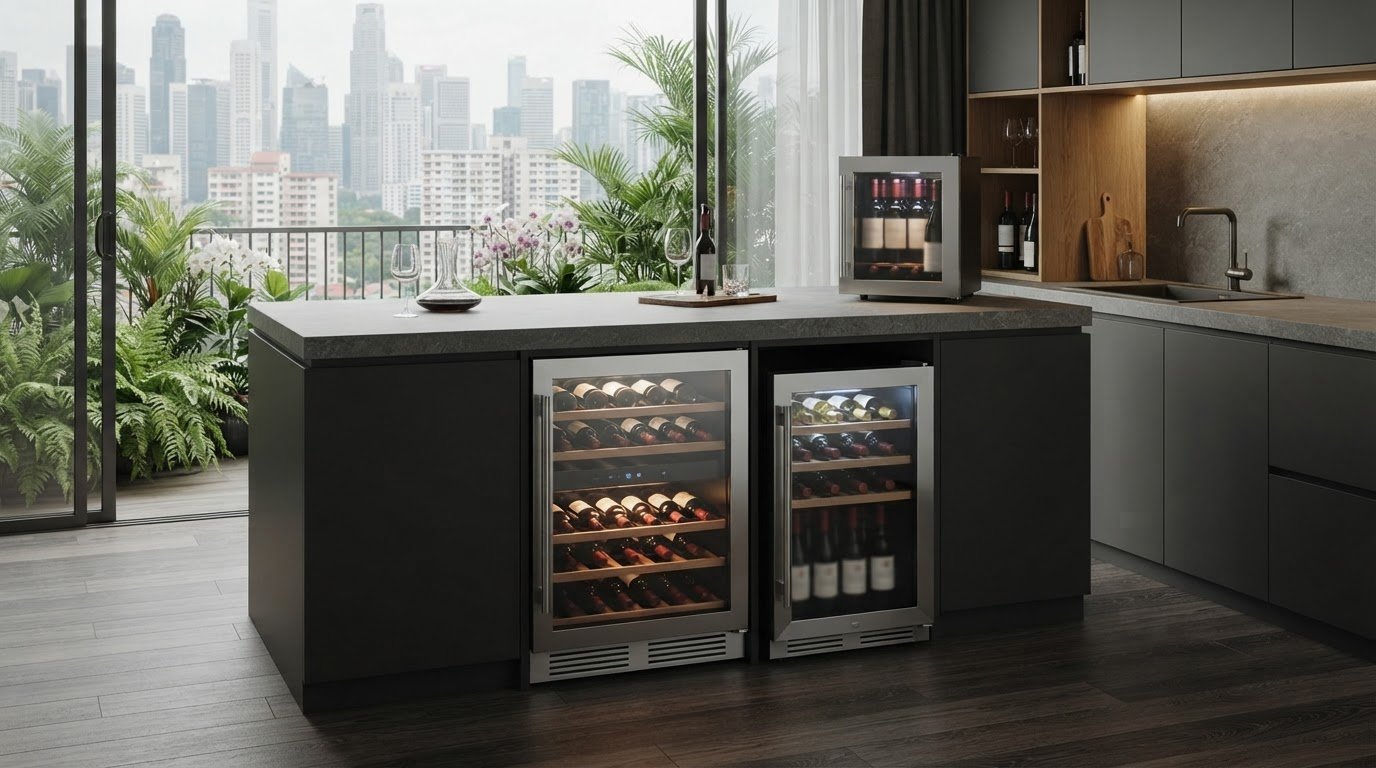
Acquiring these premium labels is only the first step. Singapore's relentless humidity and tropical heat pose a significant threat to any fine wine. To ensure your structured South African reds and floral Argentinian Malbecs age gracefully, a professional wine fridge for Singapore weather is a non-negotiable requirement. Standard air conditioning isn't enough to prevent cork degradation or premature oxidation.
For long-term aging, we trust benchmark solutions like Eurocave. These cabinets provide the precise temperature and humidity control needed to safeguard your investment. While Eurocave offers the ultimate environment for slow maturation, Kadeka and Liebherr provide excellent, reliable alternatives for shorter-term storage and service. Protecting the integrity of your bottles ensures that when you finally pull the cork, the wine reveals the exact story the winemaker intended. Elevate your experience today by exploring the curated catalog at Stellez Vine Singapore and securing the storage technology your collection requires.
Secure Your Southern Stars
The choice between South African vs Argentinian wine isn't just about geography; it's a decision between the savory, maritime complexity of the Cape and the vibrant, high-altitude power of the Andes. You've discovered how boutique producers like Savage and Matias Riccitelli are redefining their regions by prioritizing terroir over mass production. Whether you crave the longevity of an old-vine Chenin Blanc or the plush intensity of a mountain Malbec, both regions offer unmatched value for the modern collector. We act as your expert curator, handpicking only the most exceptional labels tailored specifically for the Singaporean palate.
Beyond the bottle, we ensure your investment remains protected with premium delivery and industry-leading storage solutions like Eurocave. Don't let your collection settle for the ordinary when the extraordinary awaits south of the equator. Discover our handpicked South African and Argentinian wine collection and begin your next refined adventure today. Your cellar deserves nothing less than benchmark quality.
Frequently Asked Questions
Is South African wine considered 'New World' or 'Old World'?
South Africa occupies a unique position as a New World region with an Old World soul. While its winemaking history began in 1659, making it significantly older than most southern hemisphere producers, the styles often lean toward European restraint. This balance of heritage and modern innovation makes the choice of South African vs Argentinian wine a compelling study in stylistic contrast.
Why is Argentinian Malbec so popular in Singapore?
Argentinian Malbec thrives in Singapore because its velvety tannins and plush dark fruit profiles harmonize perfectly with rich, savory local cuisines. The high-altitude acidity inherent in premium Uco Valley labels ensures the wine remains fresh and vibrant despite the tropical humidity. It's a versatile, sophisticated choice that appeals to both casual drinkers and serious collectors looking for consistent quality.
Does South Africa produce good white wines?
South Africa produces world-class white wines, specifically its signature Chenin Blanc. Known locally as Steen, these wines range from bone-dry and flinty to rich and honeyed, often possessing an incredible ability to age. The country's maritime-influenced climate also allows for exceptional Chardonnay and Sauvignon Blanc that rival traditional European benchmarks in both complexity and mineral depth.
What is the best way to store South African and Argentinian wines in a tropical climate?
Professional climate control is the only way to safeguard your investment in Singapore's heat. Invest in a dedicated wine fridge from benchmark brands like Eurocave or Kadeka to maintain a consistent 12 to 14 degrees Celsius. This prevents cork degradation and ensures the delicate balance of South African vs Argentinian wine is preserved for long-term enjoyment.
Are boutique wines from these regions better than commercial brands?
Boutique wines offer a level of site-specific character and craftsmanship that mass-market commercial brands cannot replicate. Small-scale producers like Savage or Matias Riccitelli focus on lower yields and minimal intervention to capture the true essence of their unique terroirs. These handpicked selections provide a more exclusive, nuanced experience that rewards the curious palate with unmatched quality.
How do I choose between a South African Cabernet and an Argentinian Malbec?
Select a South African Cabernet if you prefer savory structure, firm tannins, and herbal complexity reminiscent of Bordeaux. It's an ideal choice for formal dinners and aging. Choose an Argentinian Malbec if you desire a more generous, fruit-forward profile with violet aromas and a silky, approachable texture. Both offer premium experiences but cater to very different palate preferences.
Does Argentina produce any wines other than Malbec?
Argentina offers a diverse range of exceptional varietals beyond Malbec, with Cabernet Franc and Chardonnay emerging as the new favorites for collectors. High-altitude Cabernet Franc is particularly prized for its floral elegance and structural tension. You'll also find Torrontés, the country's signature white grape, which delivers aromatic, crisp, and refreshing profiles perfect for the tropical Singaporean climate.
Comments